


March is Endometriosis Awareness Month. It is a time to speak openly about a condition that affects millions yet remains widely misunderstood. At Enkare Oltau Foundation, this month is an opportunity to raise awareness, share knowledge, and stand with those living with endometriosis.
Around the world, more than 190 million women and individuals live with this condition. That means roughly 1 in 10 people with a uterus experience endometriosis. Despite these numbers, many people spend years searching for answers. On average, it takes between seven and ten years to receive a proper diagnosis.
Behind every statistic is a real story. Many individuals are told their pain is normal. Others are advised to endure it quietly. For too long, conversations around women’s health have been silenced by stigma and misunderstanding. That silence must end.
What Is Endometriosis?
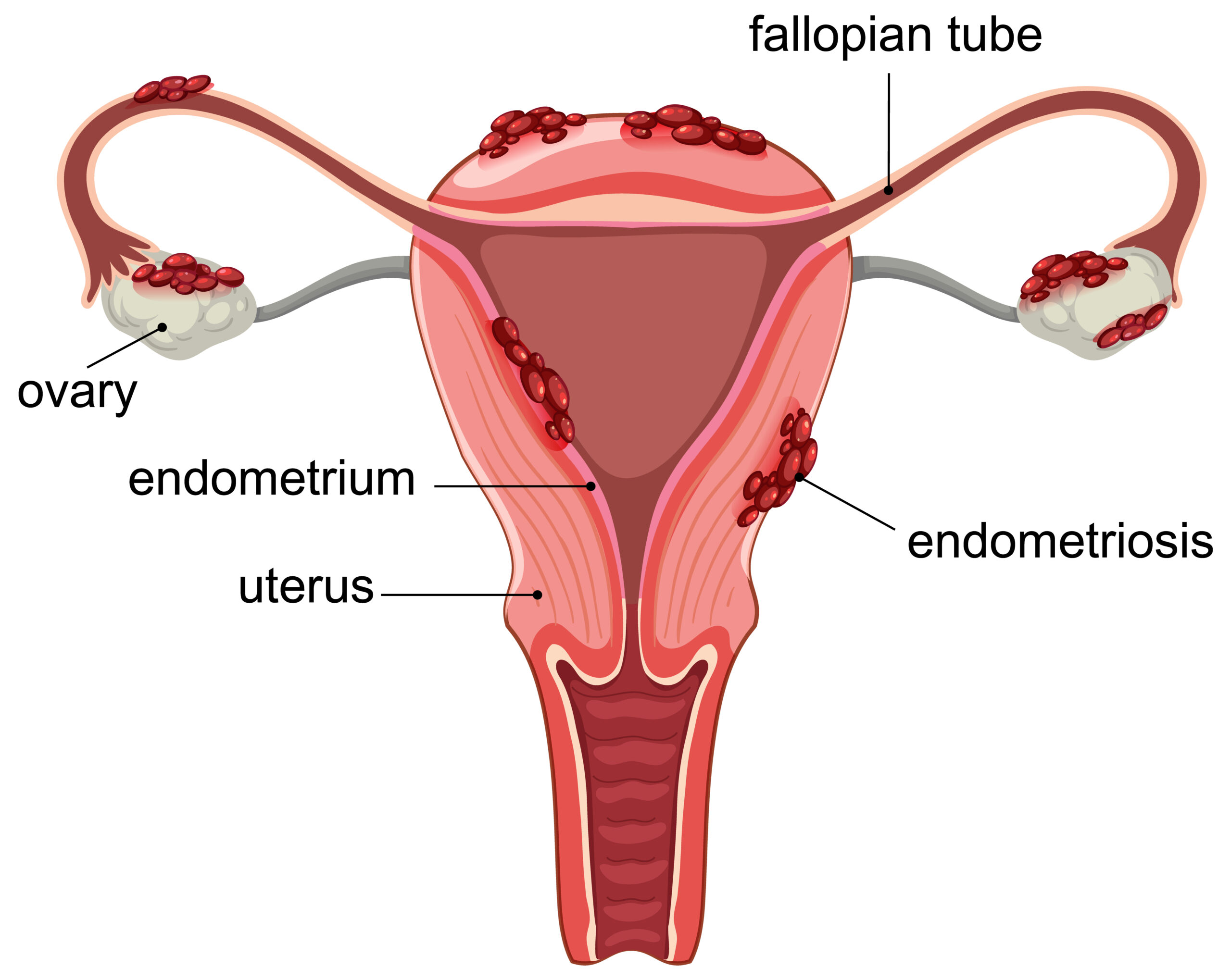
Endometriosis occurs when tissue similar to the lining of the uterus grows outside the uterus. During the menstrual cycle, this tissue behaves like the uterine lining. It thickens, breaks down, and bleeds. However, because it is located outside the uterus, the blood has no way to leave the body.
This leads to inflammation, scar tissue, and severe pain. Over time, the condition can affect daily life, relationships, work, and mental health.
It Is Not Just a Reproductive Condition
Many people believe endometriosis only affects the uterus or ovaries. In reality, the condition can impact several parts of the body. This is one reason it is often misdiagnosed.
Endometriosis can affect the ovaries and fallopian tubes, sometimes causing cysts known as endometriomas. These cysts can affect fertility and cause significant pain.
The bladder and urinary system may also be affected. Individuals may experience painful urination, pressure in the pelvic area, or symptoms that resemble repeated urinary tract infections.
The intestines and bowel can also be involved. Symptoms may include bloating, constipation, diarrhea, and painful bowel movements. Many people are initially diagnosed with digestive conditions before endometriosis is considered.
In some rare cases, endometriosis tissue has been found in areas such as the diaphragm or lungs. These cases are uncommon but highlight how complex and unpredictable the disease can be.
Understanding that endometriosis can affect the whole body is essential. When both patients and healthcare providers recognize this complexity, diagnosis can happen sooner.
Recognising the Symptoms
Endometriosis affects each person differently. Some people experience severe symptoms from adolescence. Others may have minimal pain but still experience internal damage.
Common symptoms include:
Severe menstrual cramps that worsen over time
Chronic pelvic pain that continues throughout the month
Pain during or after sexual intercourse
Painful urination or bowel movements during menstruation
Heavy or irregular menstrual bleeding
Digestive issues such as bloating and nausea
Persistent fatigue
Difficulty conceiving
Emotional stress related to chronic pain
One important fact often misunderstood is that the level of pain does not always reflect the severity of the disease. Some people with mild forms experience intense pain, while others with advanced stages may have fewer symptoms.
This is why proper medical evaluation and specialized care are critical.
Why Awareness Matters
When people hear that 1 in 10 individuals are affected, it becomes clear that endometriosis is not rare. It affects our sisters, mothers, daughters, friends, and colleagues.
Awareness changes lives in three important ways.
First, it validates people’s experiences. Chronic pain should never be dismissed or minimized. When communities understand endometriosis, those living with the condition feel seen and supported.
Second, awareness shortens the path to diagnosis. When symptoms are recognized early, individuals can seek appropriate medical care and avoid years of confusion.
Third, awareness builds community. Living with a chronic condition can feel isolating. When people know they are not alone, it brings strength, hope, and resilience.

How You Can Support Endometriosis Awareness
Awareness begins with simple actions that create meaningful change.
Listen with empathy. If someone shares their experience with chronic pain, believe them and offer support.
Share information. Conversations with friends, family, and colleagues help break the stigma surrounding women’s health.
Offer practical help. Support can include accompanying someone to a medical appointment, checking in during difficult days, or simply being present.
Advocate for better healthcare. Communities can push for improved research, faster diagnosis, and better training for healthcare professionals.
Support organizations working to create change. Foundations that focus on education and advocacy play an important role in improving health outcomes.
Our Commitment
At Enkare Oltau Foundation, we believe that education and empathy can transform the conversation around women’s health. Our mission is to ensure that no one faces a chronic illness without knowledge, support, or hope.
Endometriosis Awareness Month is more than a campaign. It is a reminder that every voice matters. By speaking openly, sharing knowledge, and supporting one another, we can create a future where no one suffers in silence.
Together, we can build awareness, strengthen community, and advocate for better health for all.